Golf Fitness Insights
Evidence-based insights on flexibility, speed, and competitive longevity for golfers 45+
Swap Your 7-Iron For Your 6-Iron
Your 7-Iron Has Become Your 6-Iron. Here's Why That Should Concern You After 50.
You used to hit your 7-iron 150 yards. Now you're reaching for your 6-iron to cover that same distance.
No big deal, right? You're getting older, so you take one more club and move on.
But here's what I'd be more concerned about.
If your 7-iron has already become your 6-iron, how long before your 6-iron becomes your 5-iron?
And what happens when you're reaching for a hybrid on a hole where you used to hit a comfortable mid-iron into the green?
For competitive golfers over 50, losing distance isn't simply about hitting the ball shorter. It changes how you play the entire golf course.
You're hitting longer irons into greens, making it harder to launch the ball high enough to hold them. Holes that once offered legitimate birdie opportunities become a challenge just to make par.
And perhaps the most frustrating part? You're watching the guys you used to outdrive pull away from you.
You might assume it's an unavoidable part of getting older.
But what if you've been trying to fix the wrong problem?

The Golf Swing You Remember Might Not Be the Swing You're Making Today
Think back to how your golf swing felt 10 or 15 years ago.
You could make a full shoulder turn without thinking about it. Your body naturally coiled during the backswing, and you could generate power without feeling like you had to swing out of your shoes.
Now, you feel like you're making that same swing, but the ball isn't traveling nearly as far.
Here's something I see when working with competitive golfers over 50.
In their minds, they're still making that beautiful, full backswing they've spent decades developing.
But when someone records their swing on video, they're often surprised by what they see.
Their backswing is shorter than they realized. Their shoulders aren't turning as far as they thought, and the entire movement looks less powerful.
The swing they FEEL and the swing they're actually making are two different things.
Why?
Because your body may have gradually lost some of the mobility that allowed you to make that swing in the first place.
Your hips, upper back, and shoulders all contribute to how you rotate during the golf swing. When mobility becomes restricted in one area, your body may compensate somewhere else.
And because these changes can happen gradually over several years, you might not even realize what's happening until you've lost 10, 20, or 30 yards.
Why Swinging Harder Isn't Getting Your Distance Back
When you notice your distance declining, what's your first instinct?
Maybe you try making a bigger shoulder turn or swinging a little harder.
Perhaps you schedule another lesson, experiment with your swing mechanics, or start looking at new equipment.
There's nothing wrong with improving your golf swing or making sure your clubs fit you properly.
But here's the problem.

If your body doesn't have the physical ability to make the swing you're asking it to make, another swing adjustment won't necessarily solve that limitation.
You can tell yourself to turn your shoulders farther, but if your upper back lacks the mobility to rotate, your body may compensate by moving somewhere else.
You might end up putting additional stress on your lower back, losing balance, or relying too heavily on your arms to generate power.
Instead of producing a smooth, powerful swing, you're working harder to produce less.
And that's the opposite of effortless rotation.
The Real Secret to Effortless Rotation After 50
When I talk about effortless rotation, I'm not suggesting that you should make a lazy swing or stop developing speed and power.
I'm talking about restoring the physical ability to make a powerful golf swing without feeling like you're fighting your body every step of the way.
Think about how your swing felt when you were younger.
You didn't have to consciously force your hips to turn or think about how far your shoulders were rotating. Your body had the mobility and coordination to make those movements naturally.
That's the feeling we're working to restore.
But here's where golfers often go wrong.
They assume the solution is simply to stretch more.
So they search YouTube for hip stretches, start doing random mobility exercises, or visit a stretching studio hoping to loosen everything up.
And while those things may help general flexibility, they don't necessarily identify the specific physical limitations affecting YOUR golf swing.
You could spend months stretching your hips when the real problem is somewhere else entirely.
That's why I always say:
Assess, don't guess.

How I Help Golfers Restore Rotation Without Overhauling Their Swing
Inside my Golf Flex Academy, we don't start by handing you a list of stretches and hoping something works.
We start by understanding how your body moves and how that movement may be affecting your golf swing.
My approach involves three important steps.
Step 1: Identify Your Golf-Specific Physical Limitations
We begin with a Titleist Performance Institute (TPI) golf body assessment to evaluate the mobility, stability, and movement patterns that matter for golf.
We're looking at how your hips, upper back, shoulders, pelvis, and other areas function.
But collecting the data is only the beginning.
Step 2: Interpret What Those Limitations Mean for Your Swing
This is where my experience as a TPI-Certified Golf Fitness Professional becomes especially important.
An assessment is only as valuable as your ability to interpret the results and understand how they relate to the golf swing.
I once worked with a golfer named John who had taken approximately 20 golf lessons trying to address what he thought were tight hips.
He'd also tried physical therapy, chiropractic adjustments, and even worked with another TPI trainer.
But he still didn't have an answer.
When I assessed him, I identified a lack of pelvic tilt as a key movement limitation.
He'd been spending his time trying to loosen his hips without understanding the movement problem that needed attention.
That's the difference between treating what feels tight and identifying what's actually limiting your golf movement.
Step 3: Improve Flexibility and Speed With Targeted Golf Fitness Training
Once we understand where your physical limitations are, the next step is to improve the flexibility, mobility, and rotational power your golf swing needs.
Inside Golf Flex Academy, I use a targeted 90-day golf fitness program specifically designed to help golfers over 50 improve flexibility and speed.
We focus on developing mobility first, then building speed and rotational strength so your body is better prepared to produce a powerful, efficient golf swing.
And you don't need to spend hours in the gym to do it.
The program uses targeted 25-minute training sessions designed to fit into your life while helping you make meaningful progress in as little as 90 days.
The goal isn't to turn you into a bodybuilder or completely rebuild the golf swing you've spent decades developing.
It's to improve your body's ability to produce the swing you already know how to make.

What Happens When You Stop Accepting Lost Distance as Inevitable?
Clint, 56: Gained 20 Yards With His 7-Iron
Clint was already an experienced golfer who wanted to improve his physical ability and performance on the course.
After working on his golf fitness, he told me:
"I can hit my seven iron now 165, sometimes 170. So I've gained 20 yards on my seven iron."
He also described how much better he felt physically:
"It's because I'm loose, and I'm limber, and I'm not sore."
Clint was also practicing and working on his swing, so his results weren't from fitness alone.
But his experience demonstrates why improving your physical capabilities can be an important part of improving your golf performance.
Imagine getting those 20 yards back instead of continually reaching for a longer iron.
Tom, 75: Gained 20 Yards and Started Outdriving His Friends
Tom Colantono is a 75-year-old golfer from New Hampshire who was watching his distance decline year after year.
He'd never participated in a golf-specific fitness program, but he wasn't willing to accept that his game had to keep getting shorter.
As Tom put it:
"I'm not that type who is willing to accept the decline."
After approximately three months in Golf Flex Academy, Tom gained around 20 yards off the tee, regained distance with his irons, and started using clubs he hadn't hit those distances with in years.
He even broke 80.
And my favorite part?
His regular playing partners started complaining that he was hitting the ball too far!
Tom's experience is a reminder that being 75 doesn't automatically mean you've reached the end of your ability to improve.
Of course, individual results vary, and golf performance depends on several factors. But age alone shouldn't be your reason to stop working toward better golf.
Your 7-Iron Doesn't Have to Keep Turning Into Your 6-Iron
If you're a competitive golfer over 50 who's been watching your distance slip away, I want you to reconsider something.
Maybe the solution isn't another driver, another swing lesson, or trying to force a bigger backswing.
Maybe the first step is understanding whether your body still has the mobility, stability, and rotational ability to produce the swing you want.
Because if your body is restricting your movement, you need to identify those limitations before you can address them effectively.
And that's where golf-specific fitness can make a difference.
You don't need to reinvent your swing or spend hours training every day.
You need to understand how your body creates rotation and follow a targeted training system that helps you improve flexibility and speed.
The goal is effortless rotation: a freer, more powerful turn that works WITH your body instead of against it.
Ready to Get Your Effortless Rotation Back?
I've put together a free video training called Creating Effortless Rotation, where I explain why golfers over 50 lose rotational power and the three steps I use to help them improve their movement and work toward regaining lost distance.
You'll learn why swinging harder isn't necessarily the answer, why random stretches may be missing the real problem, and how a golf-specific assessment and targeted 90-day fitness program can help you regain flexibility and rotational speed.
[WATCH THE FREE CREATING EFFORTLESS ROTATION TRAINING →]
Because your next decade of golf doesn't have to be a story about how far you used to hit the ball.
It can be about how well you're still playing.
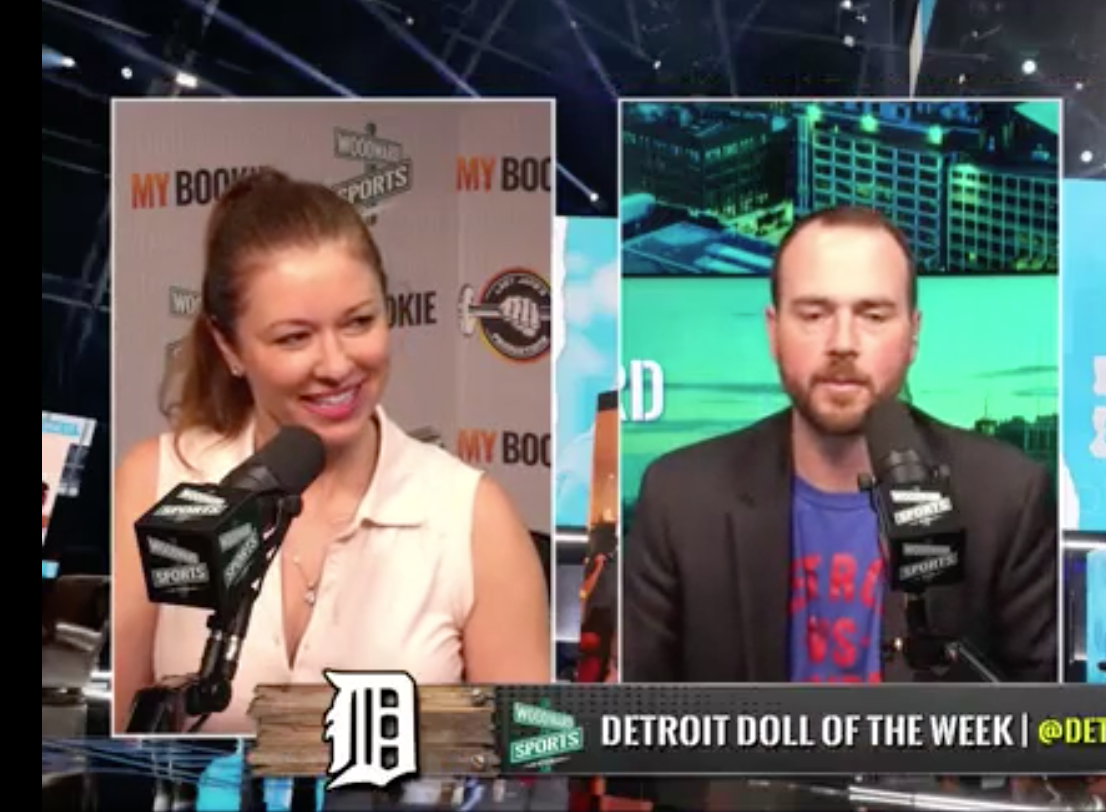
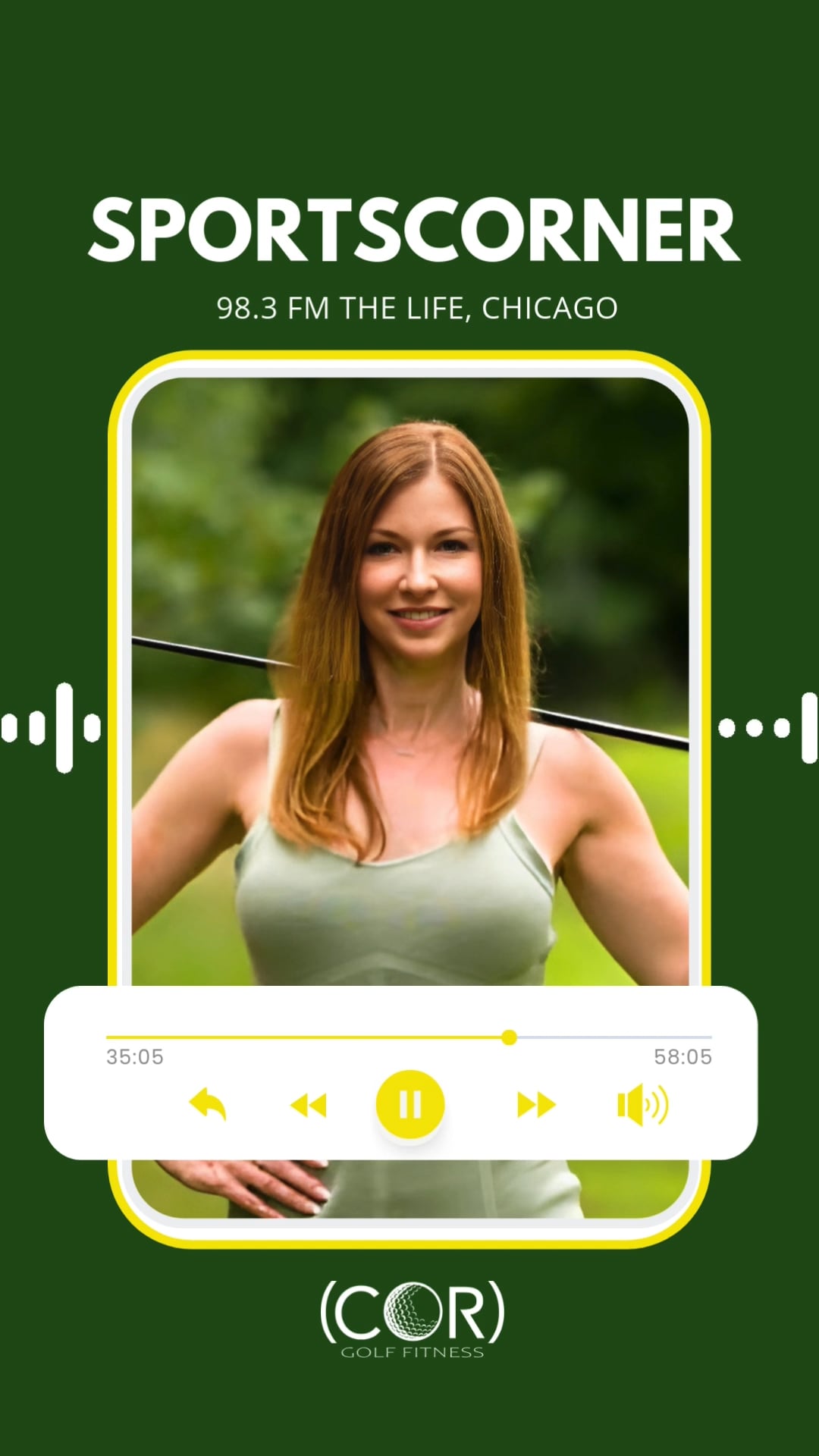
About Carrie O'Rourke TPI Certified | GFAA Award Winner | Creator of the Pacesetter Player Method
Carrie specializes in golf fitness for competitive golfers over 45, helping them reclaim distance, prevent injury, and play their best golf for decades to come through her proprietary flexibility-first approach at COR Golf Fitness.

Awards + Achievements
2x Winner, Golf Fitness Association of America – Best Golf Fitness Program
Certified Titleist Performance Institute (TPI) Golf Fitness Professional
Creator of the Ferrari Effect Series, seen by thousands of golfers worldwide
2x Winner, Golf Fitness Association of America – Best Golf Fitness Program
Certified Titleist Performance Institute (TPI) Golf Fitness Professional
Creator of the Ferrari Effect Series, seen by thousands of golfers across the country
Featured In
It's All About Rotation, Speed, & Flexibility
NCGA Magazine
The problem isn’t that you’re not working out enough...it’s that your current fitness is not addressing the weakest links in your golf body, specifically rotation, speed and flexibility.
Virtual Golf Fitness Engagement
Golf Fitness Monthly
COR Golf Fitness is unique in that I engage with clients at their country clubs, courses or gyms, but conduct 90% of my instruction virtually with a 90 day online program that focuses on golf flexibility and speed for golfers age 45 and over...