Golf Fitness Insights
Evidence-based insights on flexibility, speed, and competitive longevity for golfers 45+

7 Signs Your Golf Game Has Entered the Gray Area
7 Signs Your Golf Game Has Entered the Gray Area
“I used to have a full and loose swing. Now it’s shorter and I lose my balance on the photo finish.” - Paul age 70, 5 handicap
There’s a stage in golf where your game hasn’t fallen apart, but it also isn’t moving forward anymore.
You still know how to swing the club. You can still put together a good round. But something feels different, and you know it.
Distance takes more effort. Consistency comes and goes. Some days your swing shows up, other days it doesn’t.
Eventually, the explanation becomes age.
And for a lot of golfers, that’s where progress stops.
But a flatlined game and an aging body are not always the same thing.
Here are 7 signs your game may have entered the gray area.
1. Your swing feels familiar, but the results don’t
You stand over the ball and the swing still makes sense. You know what you’re trying to do.
But the ball flight, speed, and consistency aren’t showing up the same way they used to.
That disconnect is usually physical before it’s technical.
2. Your scores hold, but your game has plateaued
You can still play.
But the upward trend is gone. Your game feels maintained instead of improving.
A lot of golfers accept this stage as inevitable. Competitive golfers usually don’t.
3. Your body changes as the round goes on
The first few holes feel solid.
By the back nine, rotation tightens up, posture gets harder to maintain, and timing starts changing.
That’s your body influencing your swing in real time.
If you want to see whether your body is the reason your game has flatlined, download the Gray Area Assessment here.
4. You’ve started making subtle adjustments
Maybe your backswing shortened slightly. Maybe you swing easier now to keep control.
Most compensations happen gradually, which is why golfers often miss them.
Your body starts working around limitations before you consciously recognize them.
5. Working out hasn’t improved your golf game
You stay active. You exercise consistently.
But golf requires specific movement patterns that general fitness doesn’t always train well, especially rotation, stability, balance, and force production.
That’s why a golfer can feel “in shape” and still feel limited on the course.
6. You’ve thought about moving up a tee box
Even if you haven’t done it yet, the thought has crossed your mind.
Not because you forgot how to play.
Because something underneath your game feels different.
7. Inconsistency has become normal
One round feels sharp. The next feels completely off.
One day the speed is there. The next day it isn’t.
That’s usually the clearest sign your body isn’t producing the same swing consistently anymore.
That’s the gray area.
If you want to see whether your body is the reason your game has flatlined, download the Gray Area Assessment here.
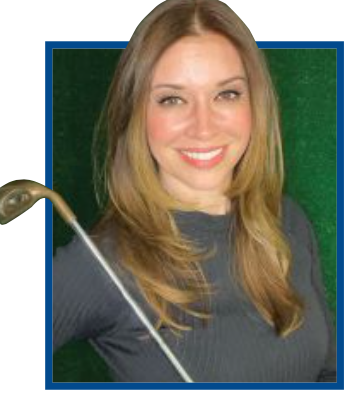
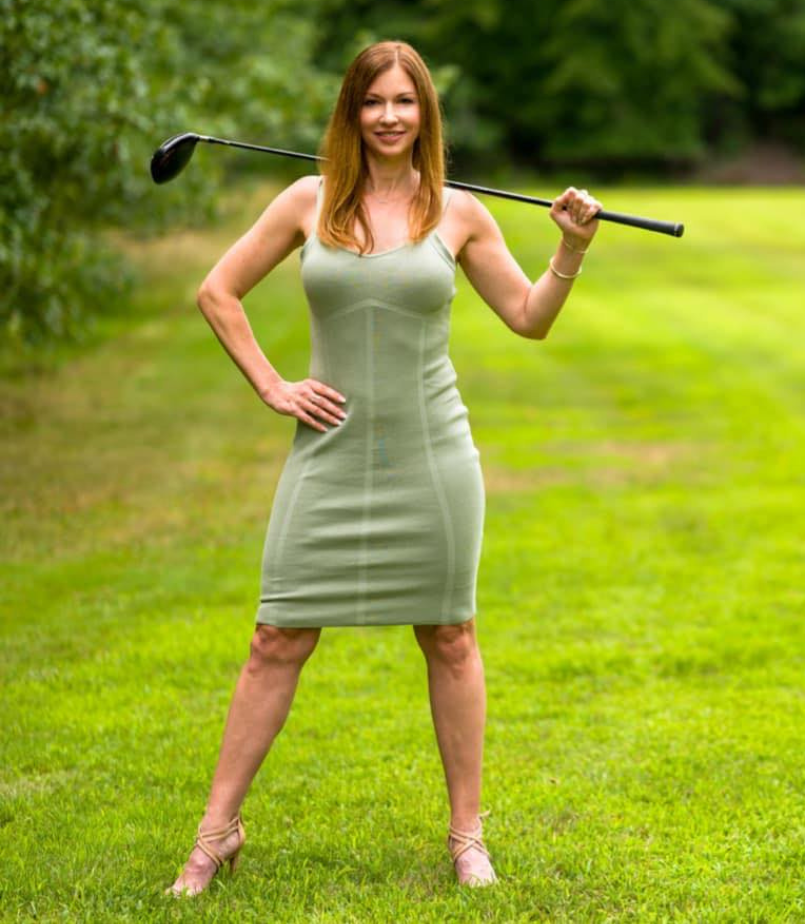
About Carrie O'Rourke TPI Certified | GFAA Award Winner | Creator of the Pacesetter Player Method
Carrie specializes in golf fitness for competitive golfers over 45, helping them reclaim distance, prevent injury, and play their best golf for decades to come through her proprietary flexibility-first approach at COR Golf Fitness.

Awards + Achievements



2x Winner, Golf Fitness Association of America – Best Golf Fitness Program
Certified Titleist Performance Institute (TPI) Golf Fitness Professional
Creator of the Ferrari Effect Series, seen by thousands of golfers worldwide
2x Winner, Golf Fitness Association of America – Best Golf Fitness Program
Certified Titleist Performance Institute (TPI) Golf Fitness Professional
Creator of the Ferrari Effect Series, seen by thousands of golfers across the country
Featured In
It's All About Rotation, Speed, & Flexibility
NCGA Magazine
The problem isn’t that you’re not working out enough...it’s that your current fitness is not addressing the weakest links in your golf body, specifically rotation, speed and flexibility.
Virtual Golf Fitness Engagement
Golf Fitness Monthly
COR Golf Fitness is unique in that I engage with clients at their country clubs, courses or gyms, but conduct 90% of my instruction virtually with a 90 day online program that focuses on golf flexibility and speed for golfers age 45 and over...