Golf Fitness Insights
Evidence-based insights on flexibility, speed, and competitive longevity for golfers 45+

Why Your Balance Matters More Than Your Swing After 45
Why Your Balance Matters More Than Your Swing After 45
A golfer named Mark, 59, from Massachusetts, carrying a 10.8 handicap, described it better than anyone else has.
“"There's no doubt my balance isn't what it used to be," he said. "You just know it. I used to carry a tray of stuff and never have an issue. Now I'm carrying the dog bowls full of water and I'm like, hello, why is this spilling?" - Mark, Masachusetts
That's balance decline in a nutshell. Your golf swing is rarely the first place it shows up. Groceries, curbs, and tying your shoes tend to notice it first.
Golfers over 45 tend to blame their swing when the game starts slipping, chasing a new grip, a new stance, or another lesson. Rarely do they stop and ask whether their body can still support the swing they already have.

The Pattern Behind the Slice
Mark described exactly how balance shows up on the course, whether he realized it or not.
"I think a lot of times I'll come off the ball, and when I do, it's harder to get myself back in balance because I might lean back too much or try to get through it too much. So I'm just out of sync."
That's the pattern. Balance slips first, the swing adjusts around it without you realizing, and the scores follow soon after. He put it another way too: "I think trying to figure out how to get my body in sync, because I feel like my faults are when I'm out of sync. That's when I have my challenges on the course."
What he was describing was a body working around a balance problem it hadn't been trained to fix. He knew what it should feel like instead. "What it looks like on the course is staying in balance on my shots, staying in the moment, staying centered," he said. He just didn't have a system to get there yet.
Tim did.
Tim, a 60-year-old golfer from the Dallas, Texas area, had spent years playing to a 5 or 6 handicap. Then a move to a new city pulled him away from golf for a stretch, and by the time he settled in and got back on the course, his handicap had climbed to 9.5. He figured his swing had broken down somewhere along the way. It hadn't. What changed was his balance, and once you lose balance, everything else in your golf swing has to work around it.
Golfers rarely connect the two. They see a slice creeping in, or a mishit iron, or a drive that used to find the fairway and now finds the rough, and they assume it's a mechanics problem. It rarely is. A body that can't stay steady through the turn will always find a way to get the club back to the ball, just not consistently and not with the same power it used to have.

The Turning Point
Tim started paying attention to his balance and made it part of every round. He built a 30 minute stretching routine he did before he even walked to the first tee, and he stayed with it. The results showed up faster than he expected.
Two months in, Tim touched his toes for the first time in his life.
That single moment mattered more than any swing tip he had picked up over the years. It meant his hips, hamstrings, and lower back were finally working together instead of fighting each other every time he swung. His handicap followed. He went from 9.5 down to 7.6, and he's still working his way back toward the 5 or 6 he used to carry.
"The game has become easier," Tim said. "Now that I am looser, I'm feeling the ease of the game."
His greens in regulation went up. His body stopped fighting him mid-swing. None of it came from a new club or a swing overhaul. It came from getting his balance back.

Test Your Own Balance
You don't need a screening room to find out where you stand. This is the same single-leg balance test used to evaluate golfers.
Stand tall with your feet flat on the ground and your arms down at your sides. Lift one knee to hip height, so your thigh runs parallel to the ground. Once you feel steady, close your eyes and start timing yourself. The test ends the moment you wobble, hop, put your arms out, or open your eyes.
Here's how to read your time:
Over 25 seconds: your balance is in solid shape
16 to 20 seconds: fair, with room to build
Under 15 seconds: your balance needs direct attention, and it's probably already showing up in your swing
Test both legs separately. A lot of golfers hold steady on one side and give out fast on the other, and that weaker side is often the same side that gives them trouble at impact.
If you scored under 15 seconds on either leg, start simple. Practice the same test daily with your eyes open first, holding for 20 to 30 seconds per side before you add the eyes-closed challenge back in. A few minutes a day is enough to start building the stability back.

Tim Isn't the Only One
Bill, 66, from Pennsylvania and carrying an 11 handicap, plays golf several times a week, often walking the course. He came into training feeling sluggish and knew his balance and body control weren't where they needed to be. Once he started training it directly, the changes stacked up fast. Within six weeks he had added 20 to 30 yards off the tee, walked a full 18 holes without feeling it the next day, and started shooting rounds in the high 70s and low 80s.
"I don't feel tight. I don't feel sore," Bill said. "I feel like I move so much better."
Rick, 60, a busy club president from Commerce, Michigan with a 14 handicap, spent years putting his own fitness on the back burner. He noticed the same thing. Once he added balance work into his routine, he felt the difference directly in his swing.
"I know these stretching and these balance exercises that you have in the program are really helping that swing," Rick said.

What This Means For Your Game
If you're over 45 and your handicap has crept up without an obvious explanation, your balance is worth a look before you spend more money chasing a swing fix. A body that can hold its position through the turn and stay steady at impact will let the swing you already have finally do what it's supposed to do.
You don't need to overhaul your mechanics. You need a body that can support them.
Tim, Bill, and Rick didn't change their swings. They changed how their bodies moved, and their golf followed.
If your game has felt a little off and you can't quite put your finger on why, book a Discovery Call. We'll find out where your balance stands and build a plan to get your game back.
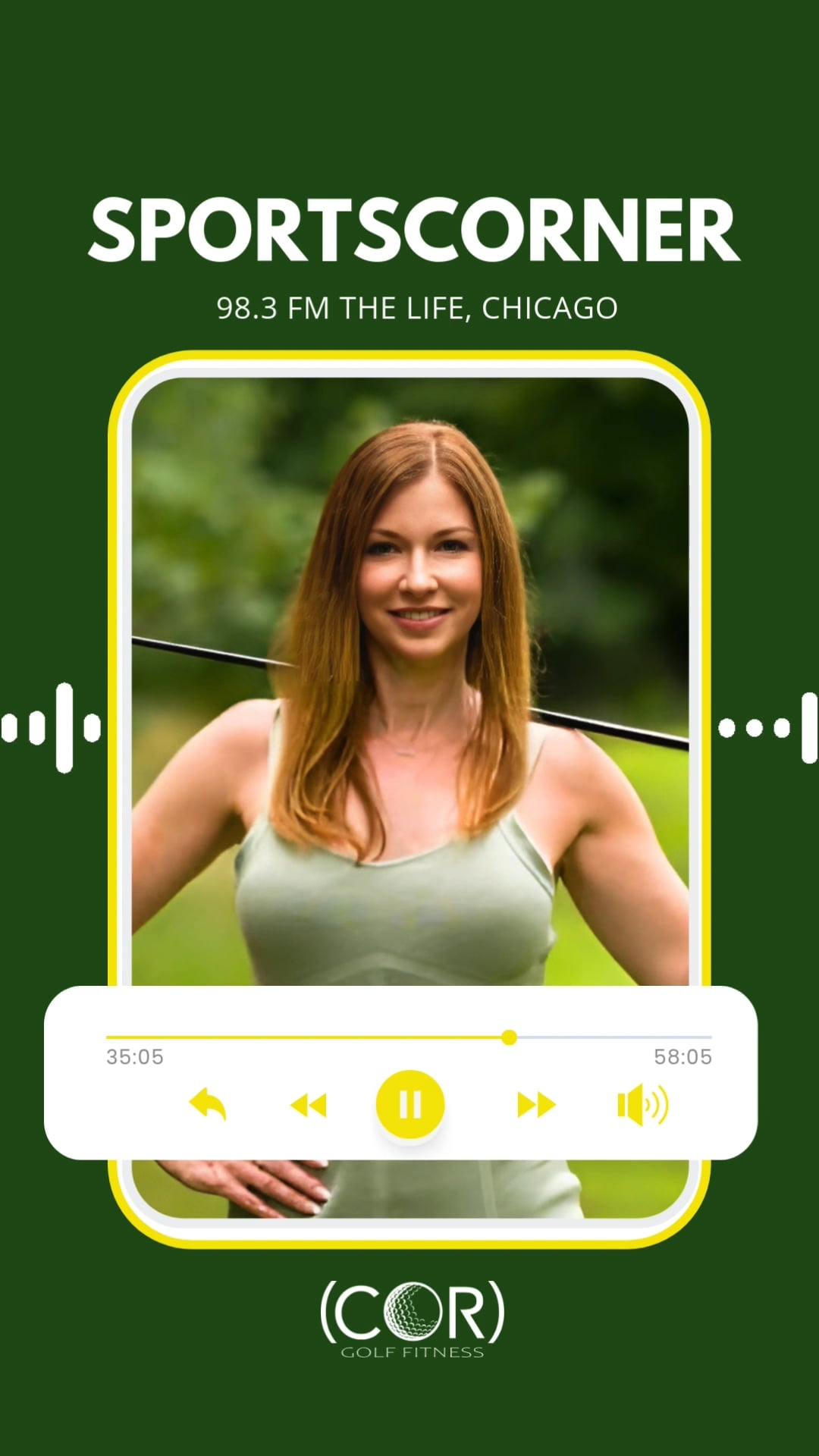
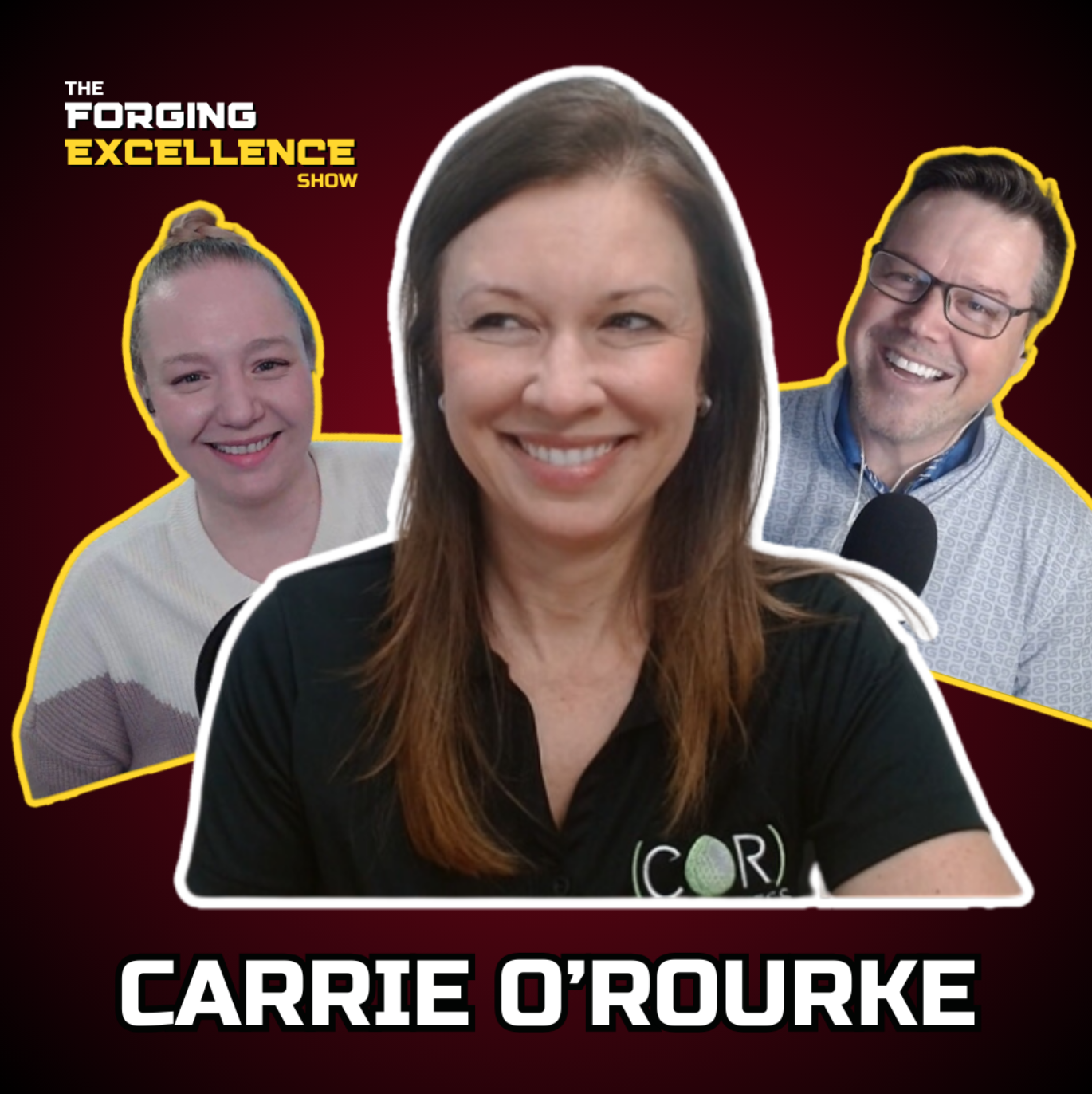
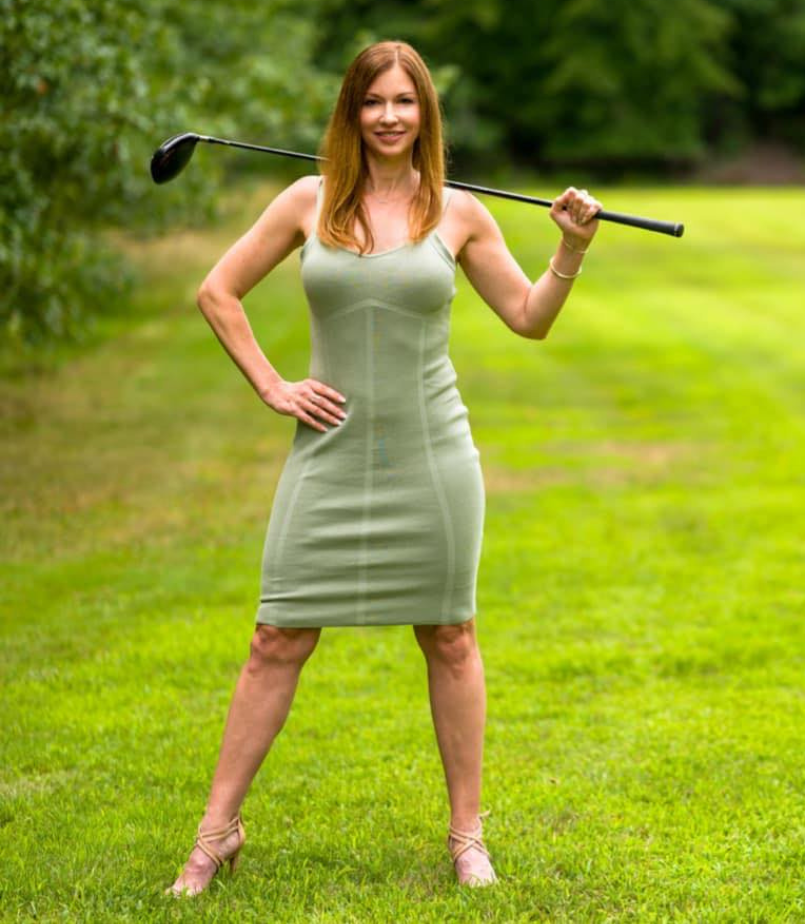
About Carrie O'Rourke TPI Certified | GFAA Award Winner | Creator of the Pacesetter Player Method
Carrie specializes in golf fitness for competitive golfers over 45, helping them reclaim distance, prevent injury, and play their best golf for decades to come through her proprietary flexibility-first approach at COR Golf Fitness.

Awards + Achievements



2x Winner, Golf Fitness Association of America – Best Golf Fitness Program
Certified Titleist Performance Institute (TPI) Golf Fitness Professional
Creator of the Ferrari Effect Series, seen by thousands of golfers worldwide
2x Winner, Golf Fitness Association of America – Best Golf Fitness Program
Certified Titleist Performance Institute (TPI) Golf Fitness Professional
Creator of the Ferrari Effect Series, seen by thousands of golfers across the country
Featured In

It's All About Rotation, Speed, & Flexibility
NCGA Magazine
The problem isn’t that you’re not working out enough...it’s that your current fitness is not addressing the weakest links in your golf body, specifically rotation, speed and flexibility.
Virtual Golf Fitness Engagement
Golf Fitness Monthly
COR Golf Fitness is unique in that I engage with clients at their country clubs, courses or gyms, but conduct 90% of my instruction virtually with a 90 day online program that focuses on golf flexibility and speed for golfers age 45 and over...